GLP-1 Eye Warning
FDA Orders Eye Warning on All GLP-1 Drugs Including Ozempic and Zepbound Over Rare Vision-Loss Risk
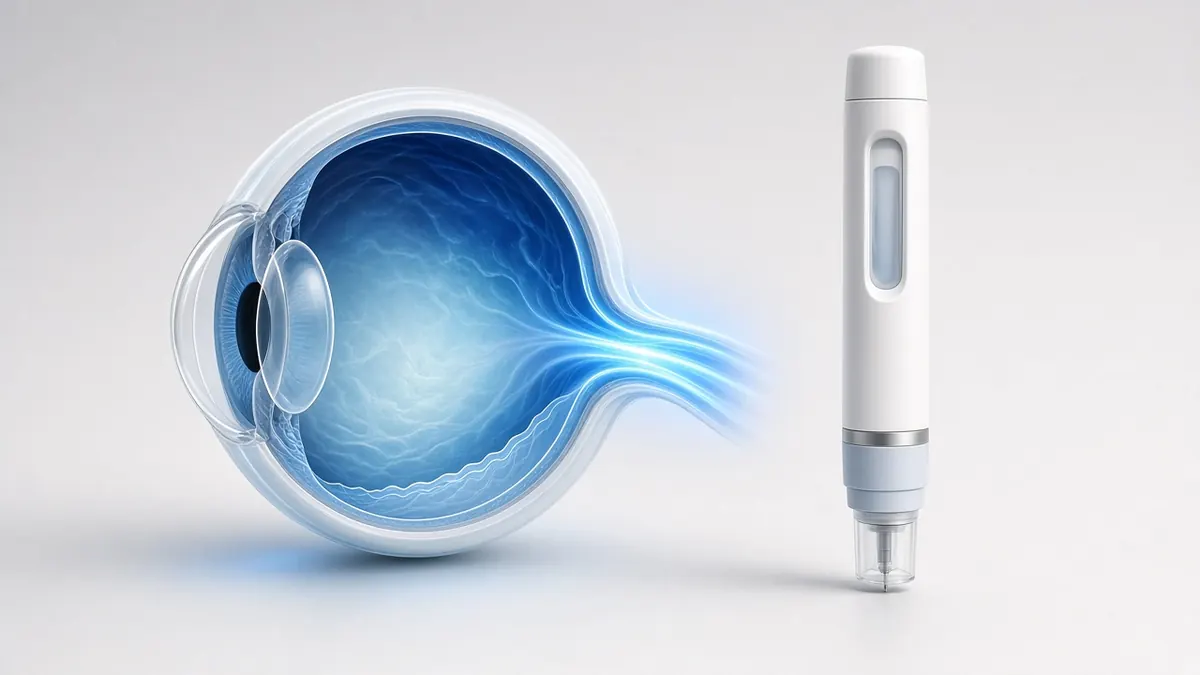
The U.S. Food and Drug Administration is requiring every GLP-1 medication to carry a new warning about a rare eye condition. The agency’s Drug Safety Communication, dated Monday, Nov. 9, says there is a “potential increased risk” of non-arteritic anterior ischemic optic neuropathy, known as NAION. The condition can cause sudden, painless vision loss in one eye, including permanent loss.
CNBC reports that a causal relationship has not been established.
What is the FDA requiring for GLP-1 drugs?
The FDA is requiring the application holders for all GLP-1 receptor agonist medications to add information about NAION to the Warnings and Precautions section of their labeling. The requirement is class-wide. It covers Novo Nordisk’s Ozempic, Rybelsus and Wegovy, and Eli Lilly’s Mounjaro and Zepbound. It also covers older diabetes drugs and the newly approved pill Foundayo (orforglipron), according to the FDA’s list and Ophthalmology 360.
The FDA said NAION cases have been reported for all currently marketed GLP-1 products.
What is NAION and how does it affect vision?
NAION affects the optic nerve, which carries signals from the eye to the brain. The FDA says it is caused by decreased blood flow to the front part of the optic nerve, but the underlying cause is not completely understood. NBC News reports the damage is permanent, with no known treatment.
The FDA lists these symptoms:
- Sudden, painless vision loss in one eye, which patients may notice upon waking
- Blurred or missing portions of vision, such as blind spots or tunnel vision
- Distortion of colors
- Reduced central sharpness, such as blurry or hazy spots
Risk factors may include smoking, diabetes, high blood pressure, sleep apnea, anemia and kidney disease.
What does the data show about GLP-1 and NAION?
The FDA’s central analysis is a meta-analysis of 126 randomized, controlled clinical trials. It covered 134,253 patients. Reviewers found 6.4 NAION cases per 100,000 person-years among people treated with GLP-1 drugs, compared with 3.8 per 100,000 person-years among people on a placebo or a non-GLP-1 diabetes drug.
Those figures rest on small numbers. The FDA identified 15 probable NAION events: 10 in the GLP-1 group and 5 in the placebo group. The FDA also notes that, based on published literature, NAION occurs in 2.3 to 10.2 cases per 100,000 people per year among adults older than 50. NBC News cites the American Academy of Ophthalmology as saying it is the second most common optic nerve disease in the U.S.
In a real-world study of adults with type 2 diabetes, the FDA found no statistically significant increase in risk versus SGLT-2 inhibitors, but an increased risk versus DPP-4 inhibitors. It said rigorous published observational studies consistently reported an increased risk.
Is there proof GLP-1 drugs cause blindness?
Not yet. FDA scientists were not able to identify a mechanism for how the drugs could increase the risk, and a review of animal data did not identify one either. Adverse event reports were hard to interpret because NAION risk factors overlap with conditions common in people who take these drugs.
Novo Nordisk, which makes Ozempic and Wegovy, told CNBC it “continues to believe the data do not establish a cause-and-effect relationship, and we remain confident in the benefit-risk profile of our GLP-1 medicines.” NBC News reported that spokespeople for both Novo Nordisk and Eli Lilly said patient safety is their top priority.
The FDA began looking into the question after a 2024 study in JAMA Ophthalmology. NBC News says it found diabetes patients prescribed semaglutide were four times as likely to develop NAION. The FDA noted limitations in that study but said further assessment was warranted.
What should patients do now?
The FDA says patients should contact a health care professional right away if they notice sudden, painless vision loss or other visual changes in one eye. If a patient has had a NAION event, they should talk with their health care professional about whether to continue or stop the GLP-1 medication. For clinicians, the FDA advises considering discontinuing the drug in patients who develop NAION, unless the benefits clearly outweigh the risk.
Dr. Manjot Gill, an ophthalmologist at Northwestern Medicine in Chicago, told NBC News the warning is appropriate but that there is little cause for immediate anxiety because the condition is extremely rare. “We don’t want patients to really get overly concerned and anxious and to stop these medications,” she said.
This is general news, not medical advice. Talk to your doctor about your own risks, and do not stop or change a prescribed medication on your own.
FAQ
Which drugs does the NAION warning cover?
All GLP-1 receptor agonists, including Ozempic, Wegovy, Mounjaro, Zepbound and Foundayo.
What is the risk of GLP-1 blindness?
In the FDA’s trial analysis, NAION occurred in 6.4 per 100,000 person-years with GLP-1 drugs versus 3.8 with comparators. The agency calls the risk potential and rare.
Does the FDA say to stop taking Ozempic or Zepbound?
No. According to Ophthalmology 360, the communication does not tell patients to stop treatment on their own. It directs anyone who has had a NAION event to discuss continuing with their clinician.
What should I do if my vision suddenly changes?
Contact a health care professional right away, the FDA says. Sudden, painless vision loss in one eye needs prompt evaluation by an eye specialist.
Earlier coverage: FDA Orders NAION Eye Warning on Ozempic, Zepbound and All GLP-1 Drugs: What Patients Should Know (Nov 9)
Sources
- FDA Requires Safety Labeling Changes for Glucagon-Like Peptide-1 Receptor Agonists (GLP-1 RAs) Due to Potential Increased Risk of Rare But Serious Eye Condition — U.S. Food and Drug Administration
- FDA warns of vision loss risk linked to GLP-1 drugs Wegovy, Zepbound — CNBC
- FDA orders new warning on GLP-1s over rare eye condition linked to sudden blindness — NBC News
- FDA requires NAION warning across the GLP-1 receptor agonist class — Ophthalmology 360