#17 trendingSam Altman PC RAM Comments
Sam Altman's PC RAM Comments: OpenAI CEO Calls Memory in Home Computers 'Quite Terrible' for Global Supply
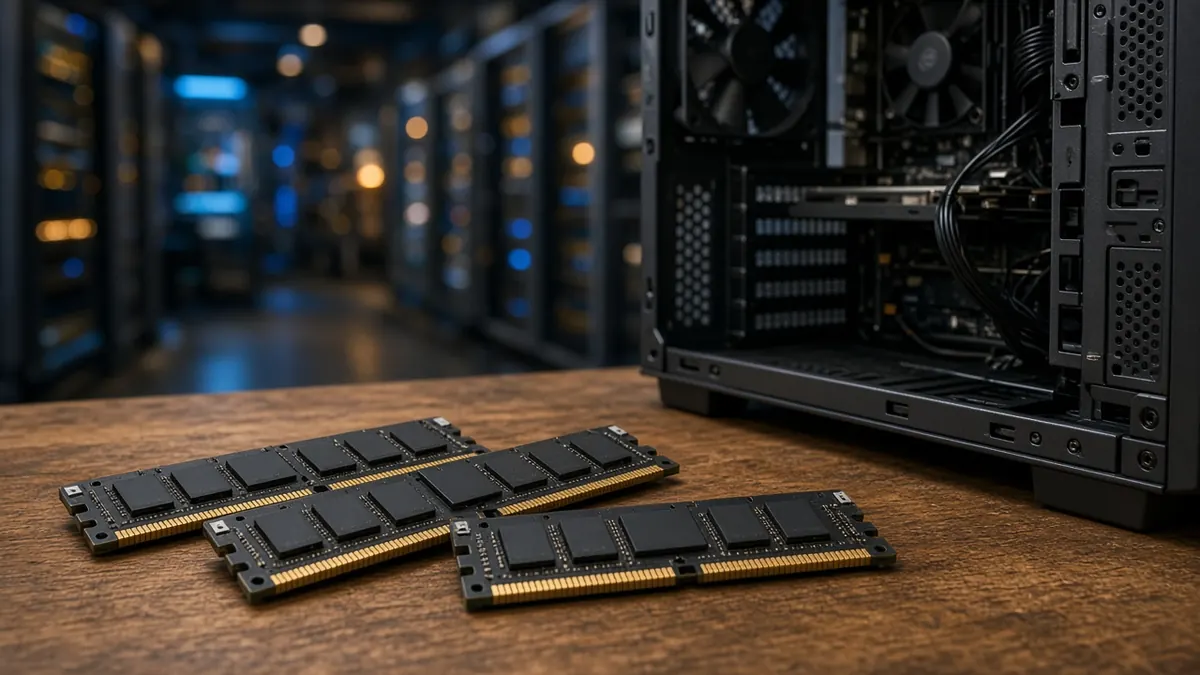
OpenAI CEO Sam Altman has stirred up PC builders and gamers with a few sentences about memory. In a new interview on the Cheeky Pint podcast, Altman argued that it is wasteful for the world’s scarce supply of DRAM to sit in home computers, and that it would be better used in cloud data centers.
The comments landed as a global memory shortage has pushed up prices for RAM and new PCs, which is why they struck a nerve.
What Sam Altman said about PC RAM
Altman was discussing local inference, meaning running AI models directly on your own computer instead of in the cloud. About 29 minutes into the conversation, Tom’s Hardware reported, he said:
“A lot of people want local inference. And somehow, they assume that the problem is solved now because we are going to have open-source models. We’re going to be able to run them on our computers. And so we’re not going to need all the stuff in the data center. But from a global allocation perspective, actually, it’s quite terrible to have everybody have a bunch of the world’s limited supply of DRAM sitting in their own computer. And be used 5% of the time.”
He added: “You want maximum utilization in the cloud if you’re trying to deal with this very supply-constrained environment. And somehow, many people’s intuition is the opposite of that,” according to PCMag.
The memory shortage behind the comments
Altman made the remarks while talking about the worsening memory shortage, which PCMag said is expected to last through 2030. Asked how the industry is doing on solutions, he answered: “Bad.”
He also said “the invisible hand is failing right now,” referring to the idea that high demand should push companies to build more supply. Memory makers, he suggested, are cautious about adding factories because they “remember their history. How many times they almost went bankrupt by making too many fabs and being promised this time it was different,” PCMag reported.
The shortage has made new PCs built for local AI expensive. PCMag pointed to Nvidia’s RTX Spark laptops as an example of machines unlikely to go mainstream until prices fall.
Why the comments drew pushback
Critics see a clear business angle. Local AI could let people skip paid subscriptions to cloud models, which PCMag described as a direct threat to OpenAI and other big providers, and called Altman’s argument “obviously a self-serving” one. The outlet also noted that OpenAI partners such as Nvidia and Microsoft have promoted running AI models on new high-memory PCs.
Tom’s Hardware said the remarks feed enthusiast fears of a future where people rent an agent and a computer in the cloud rather than owning their own hardware. It also noted that Altman’s argument assumes data center build-outs won’t slow down, and that RAM running AI around the clock is more valuable than RAM used for spreadsheets, browsing and gaming.
Who is Sam Altman?
Sam Altman is the co-founder and CEO of OpenAI, the company behind ChatGPT. His comments on chips, energy and data center capacity are closely watched because OpenAI is one of the largest buyers of AI computing power.
PCMag noted that its parent company, Ziff Davis, filed a copyright lawsuit against OpenAI in April 2025.
FAQ
What did Sam Altman say about RAM?
He said it is “quite terrible” from a global allocation view for the world’s limited DRAM to sit in personal computers that use it about 5% of the time, and that it should be used at maximum capacity in the cloud.
Where did he say it?
In an interview on the Cheeky Pint podcast.
Is Altman saying people shouldn’t own PCs?
No. He was arguing against running AI models locally during a memory shortage, though critics say the logic could discourage owning capable hardware.
Why are RAM prices high?
Huge demand for memory from AI data centers has created a shortage that PCMag says is expected to persist through 2030.