Rikers Island
Mamdani Releases Plan to Close Rikers Island by 2032: Four Borough Jails, a Smaller Jail Population and $146 Million in Services
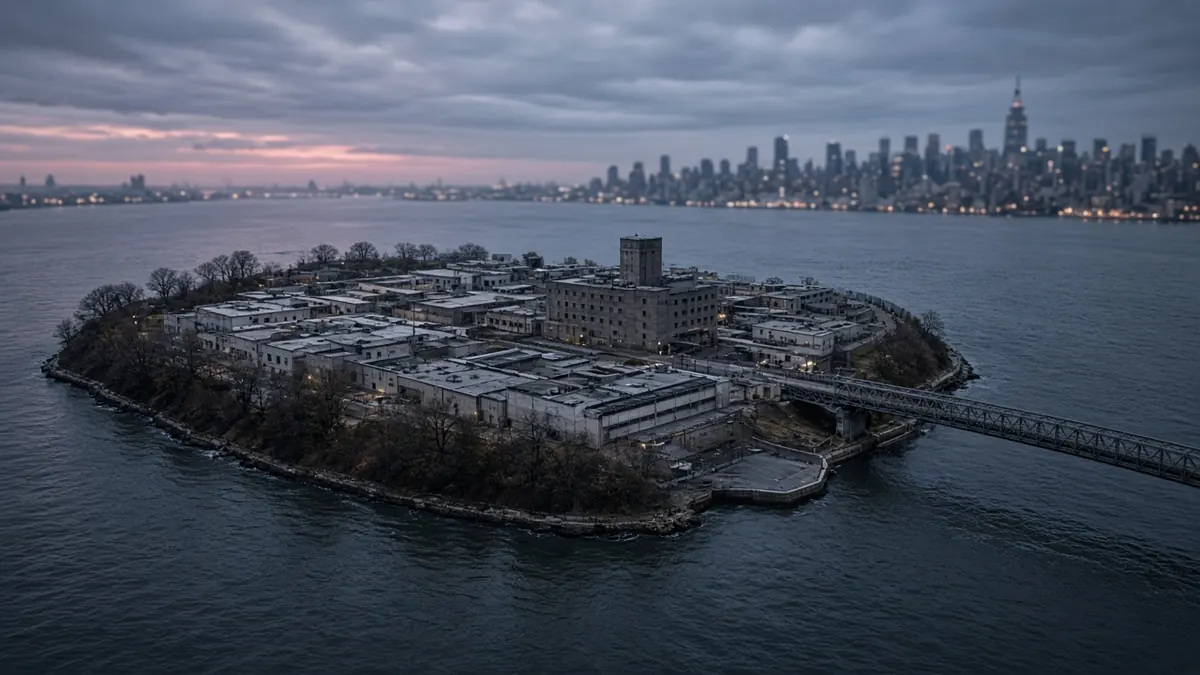
New York City finally has a dated plan to shut down Rikers Island. Mayor Zohran Mamdani on Friday released “Close Rikers: Strategic Plan,” which would empty the island’s jails by the end of 2032 and move people in custody to four new borough-based jails and hospital-based treatment units.
The plan replaces a legally mandated August 2027 closure deadline that city leaders had already acknowledged they would miss, Gothamist reported. It still needs action from the City Council, and it depends on something the city has struggled to do for years: shrinking the number of people held in its jails.
“It is time to finally close Rikers Island,” Mamdani said in a statement from his office. “We have a legal and moral obligation to close Rikers.”
What is Rikers Island?
Rikers Island is New York City’s main jail complex, located in Queens. It has become known nationally for chaos and dysfunction, and the new plan treats long pretrial detention and slow court cases as central to its problems.
Advocates have long argued the island itself is part of the problem. According to Gothamist, the complex sits on a gas-emitting former landfill, its buildings cannot be adequately cooled or ventilated, thousands of cell doors are broken, and it can be reached by only a single road. A trip there by public transit can take at least an hour and a half, which affects families, lawyers and staff.
Conditions remain dangerous. Gothamist reported that at least nine people have died in Department of Correction custody this year, not all of them on the island. In January, the federal judge overseeing reforms handed broad control of the jails to a remediation manager, Nicholas Deml.
What’s in the plan
The Mayor’s Office and Gothamist described these core pieces:
- Four borough-based jails by the end of 2032. Brooklyn’s would open first, in 2029, with the others following in 2031 and 2032. Together they would have room for about 4,500 people. Women in custody would be centralized at the Queens facility, near Elmhurst Hospital.
- Therapeutic hospital beds. The city plans 236 more Outposted Therapeutic Housing Unit beds in Brooklyn and the Bronx, for a total of 340 such beds in NYC Health + Hospitals facilities, for people with serious mental health or complex medical needs. A 104-bed unit is already open at Bellevue.
- $146 million next fiscal year for mental health care, substance use treatment, education and job training, and victim services, including $50 million for programming inside the jails and $76 million for community-based reentry and diversion services.
- A smaller jail population. The plan aims to cut the population from about 6,600 today to no more than 5,500 when the Brooklyn jail opens in 2029 and no more than 4,100 by the end of 2032.
- Gradual closure. Rikers facilities would be emptied and decommissioned as new beds open, with land transferred away from the Department of Correction for reuse. Gothamist reported the island would be turned over to climate and sustainability projects.
The new buildings are designed with smaller housing units, better sightlines, individual cells and outdoor space for every housing unit, according to the Mayor’s Office. Each facility would also include at least 20,000 square feet of community space for neighborhood use.
The biggest challenge: the jail population
Everything hinges on the population target. Gothamist reported the administration is committing $290 million to expand diversion, supervised release, reentry support and faster case processing. The plan argues the jail population grew not because of more arrests but because cases take longer: the median time from a felony arrest to a final disposition in New York City is 431 days, about four months longer than in the rest of the state, and at least 1,400 Rikers detainees have waited more than a year for trial.
The plan itself says the population estimate is “not meant to be a forecast,” Gothamist noted, and it does not say what happens if the number stays above target.
City Council Member Tiffany Cabán, whose district includes Rikers, welcomed the “real concrete plan” but told City & State there is “a long, long way to go.” She pointed to tension with the administration’s policing priorities and said independently elected district attorneys must get on board. “We can’t have a police commissioner that says we are going to triple down on broken windows policing and think that you’re going to be able to get that jail population census down,” she said.
Reaction
Supporters praised the plan’s specifics. Council Member Sandy Nurse, who sponsored the 2025 law requiring the report, called it “the right move,” Gothamist reported. Darren Mack of Freedom Agenda said, “We can finally remove this moral stain from our city, once and for all.”
Others raised concerns. Elizabeth Glazer, who helped write the original closure plan under former Mayor Bill de Blasio, warned that without broader reform the city “risks merely exporting the violence of Rikers into new ZIP codes.” The Correction Officers’ Benevolent Association, through president Benny Boscio, praised the city’s willingness to partner with the union but called the population wind-down unrealistic and argued for new facilities on Rikers instead, according to Gothamist.
Correction Commissioner Stanley Richards, the first formerly incarcerated person to lead the department, wrote that the new buildings “represent only half the challenge,” and the plan pledges to replace the island’s 2,450 defective doors and overhaul staff training.
Why it has taken so long
Calls to close Rikers date to the late 1970s under Mayor Ed Koch. The push gained momentum after the death of Kalief Browder, who spent three years on Rikers as a teenager without trial and later died by suicide, and a 2017 commission led by former Chief Judge Jonathan Lippman concluded “Rikers must be closed.” The City Council approved the borough-jail plan in 2019, Gothamist reported, but the effort slowed through the pandemic and the Adams administration, when the jail population rebounded and costs nearly doubled.
What’s next
The City Council will introduce legislation to update the legal closure timeline, the Mayor’s Office said. Cabán told City & State an oversight hearing is expected in December and that the Council’s bill will include benchmarks.
FAQ
When will Rikers Island close?
Under the new plan, by the end of 2032. The current legal deadline is August 2027, which the city has said it will not meet.
Where will people go instead?
To four borough-based jails, with Brooklyn’s opening first in 2029, plus therapeutic hospital units.
Is the plan final?
No. The City Council still has to pass legislation updating the timeline.
How many people are held at Rikers?
About 6,600, according to the plan as reported by Gothamist; the goal is no more than 4,100 by the end of 2032.
Sources
- Mayor Mamdani Releases City's First Comprehensive Plan to Close Rikers Island — NYC Mayor's Office
- Mamdani lays out plan to close Rikers by 2032, after years of delays — Gothamist
- 'A long way to go': Tiffany Cabán on the new plan to close Rikers — City & State New York